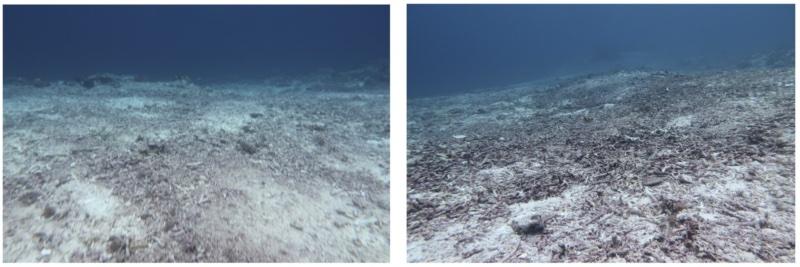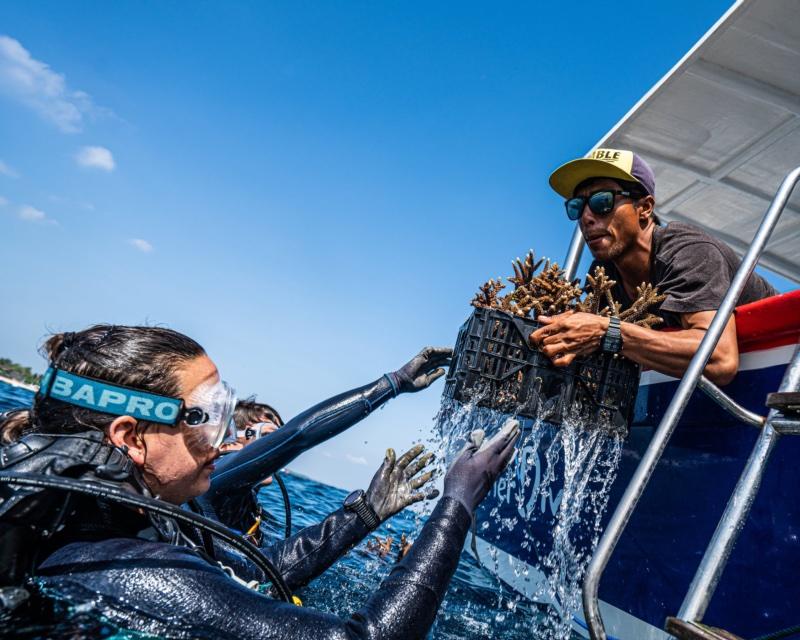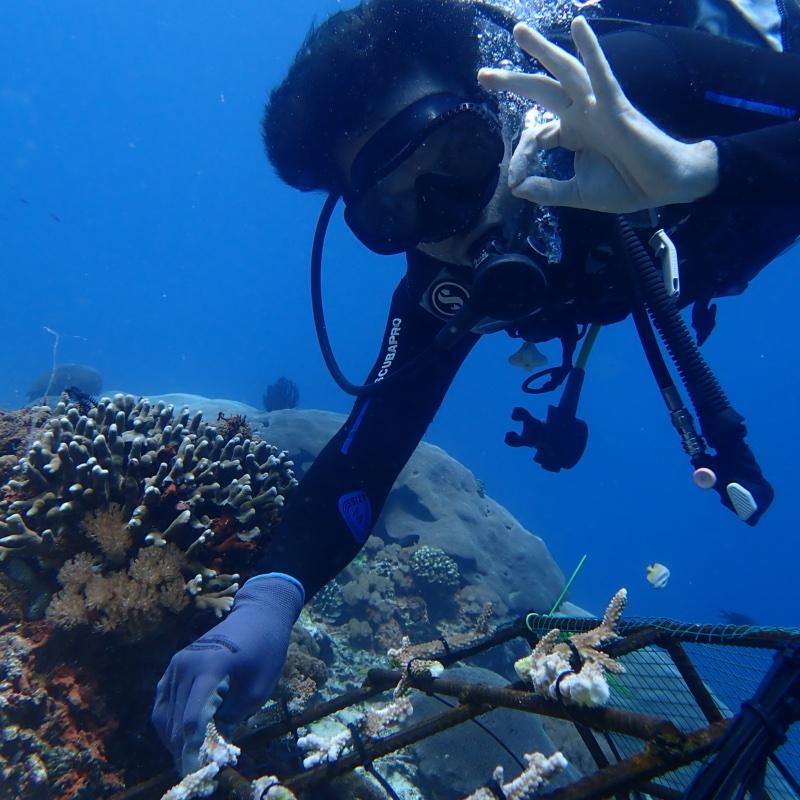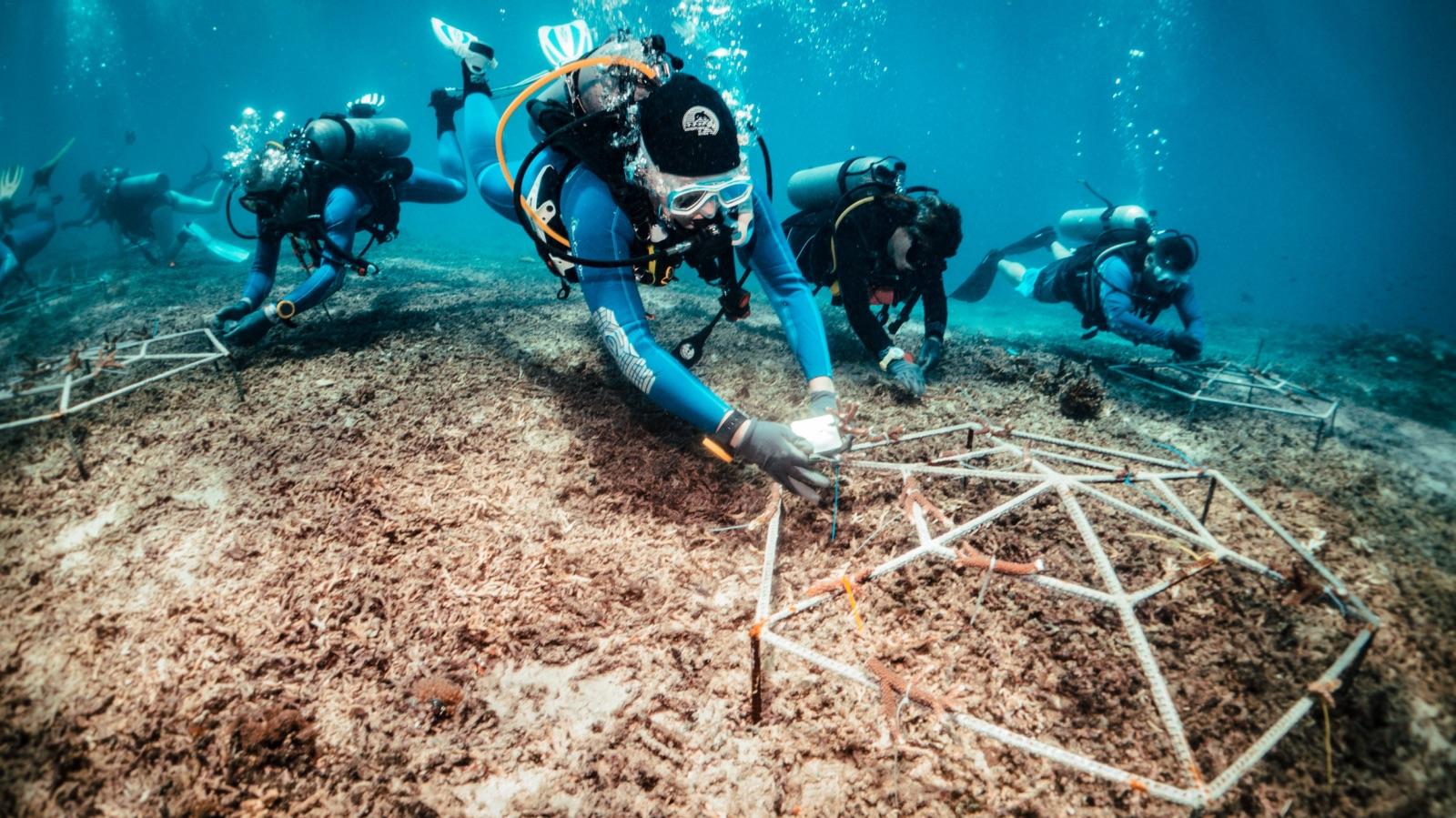
Coral reef restoration in Nusa Penida Marine Park, Bali
Coral Reef Restoration · Indonesia

Bringing Bali's Coral Reefs Back to Life

Our Coral Reef Restoration program is rebuilding degraded reefs in Bali's Nusa Penida Marine Park. We run it with Blue Corner Conservation, the marine biologists on the water who have planted over 150,000 corals and counting.

Our Program

Why Reefs Are
Our Work

Yaryura & Friends empowers people and restores places. Coral reefs are where those two meet: they feed coastal villages, shelter the fish local fisheries depend on, and sustain the tourism small island economies run on. When a reef dies, the people who live with it lose their food and their income.
We chose a restoration program with a decade of proven science behind it, and committed to partner with it long-term. Blue Corner Conservation's biologists do the work in the water, six days a week, backed by a decade of published science. We bring the funding, the technical tools, and the growth strategy that keep the work expanding.
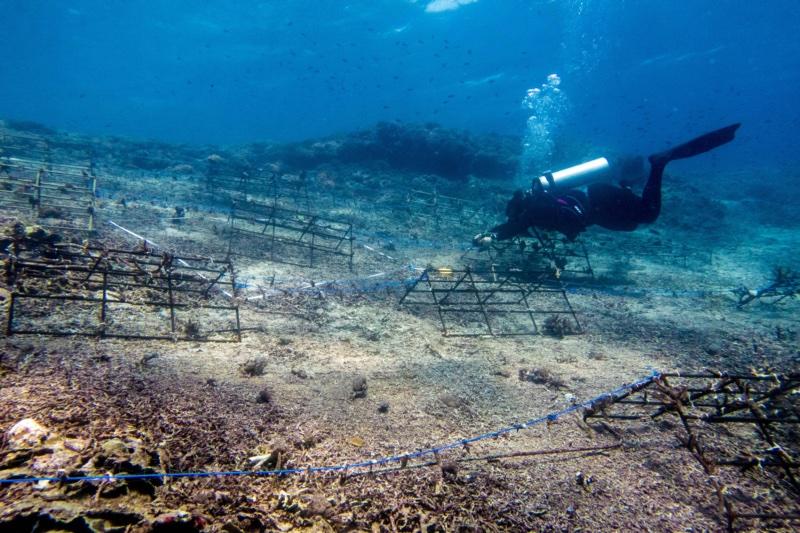
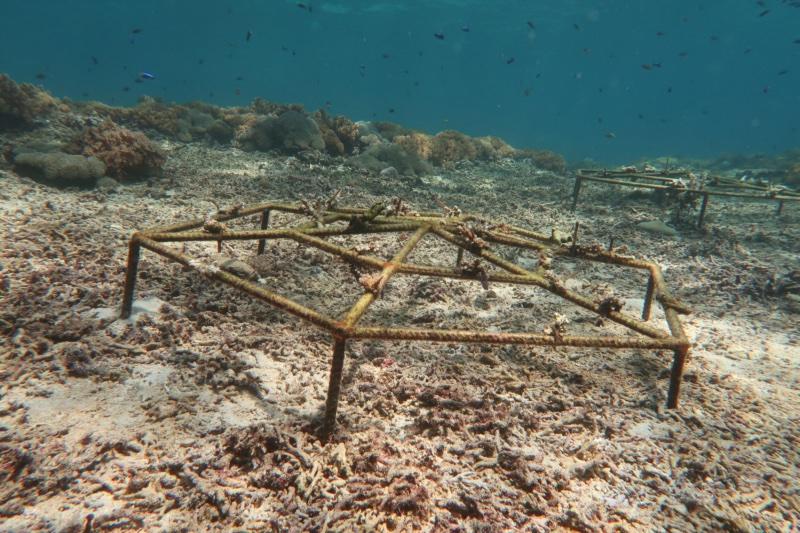
Modular coral frames being installed at the Nusa Penida restoration site
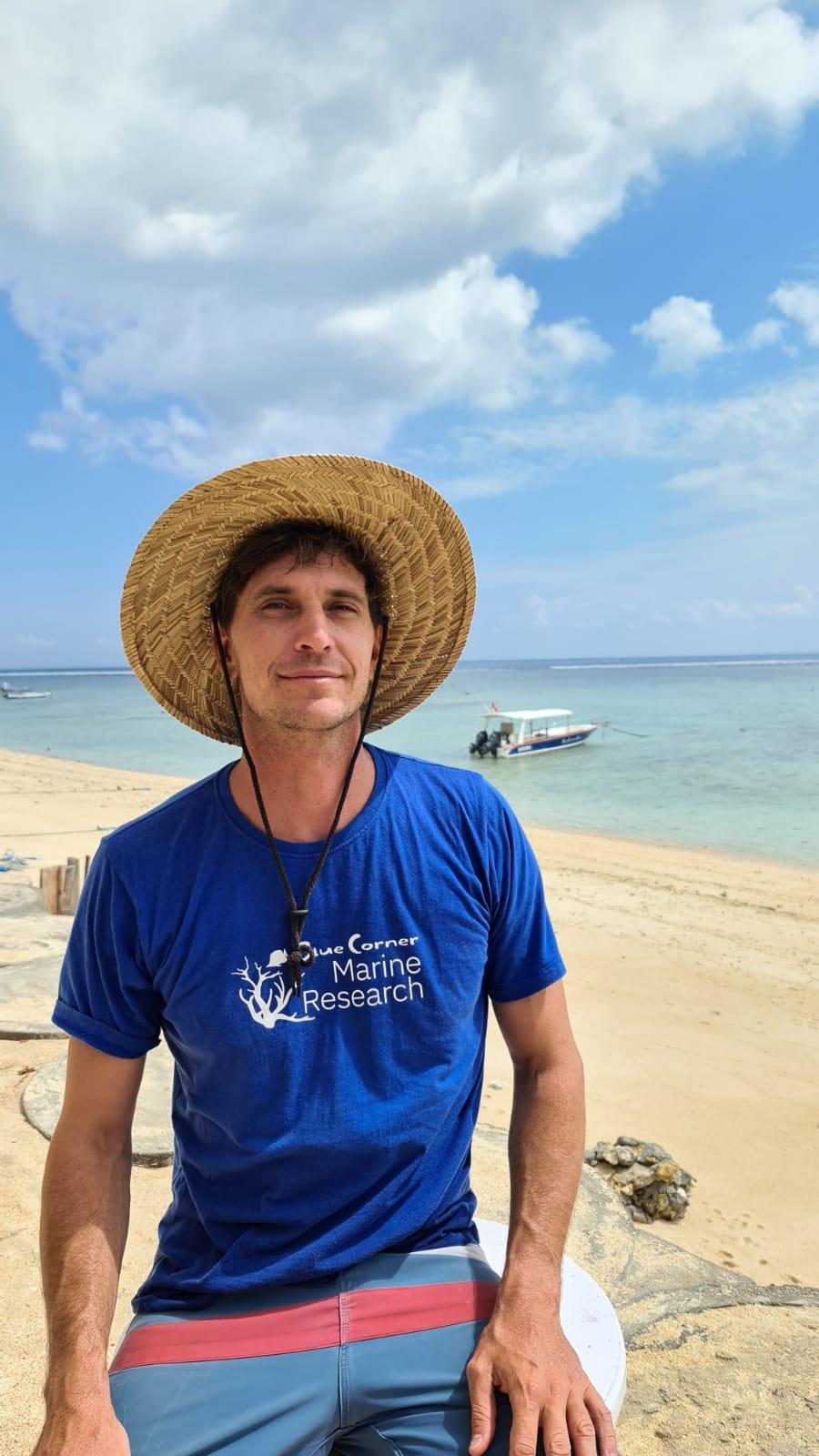
Andrew Taylor, project director and certified Ecological Restoration Practitioner
Who Does the Work

The Team We
Partner With

The restoration is led by Andrew Taylor, a marine biologist and certified Ecological Restoration Practitioner who has directed the Nusa Penida site since 2018. The team studied the degraded sites for years to confirm they would not recover on their own before transplanting a single coral. That kind of patience is part of why the science holds up over time.
Today the site is tended six days a week by a year-round team of biologists and rotating cohorts of Indonesian and international interns. Their work is published in peer-reviewed journals. Our role is to keep it funded and growing.

Monitoring and maintenance is very important for a coral restoration project. After transplanting, coral needs to be supervised for at least one year.

See the Science
How Your Support Helps

Where the Money Goes

Every donation routes directly to the restoration work in Indonesia. Here's exactly what each contribution funds on the reef.

A coral fragment being prepared for transplant

$5 · Coral Fragment

Funds one coral fragment grown in the floating nursery and transplanted by our partner's dive team. Fragments come from healthy parent stock raised on-site, not harvested from surrounding reef.

A modular coated-metal coral restoration frame on the seafloor

$50 · Coral Frame

Builds and installs one modular coated-metal frame at the restoration site. Frames stabilize the rubble field so transplanted corals have a stable substrate to grow on instead of smothering and dying.

Coral fragments growing on a floating nursery in Nusa Penida

$200 · Coral Nursery

Funds a floating nursery used to grow healthy parent stock for transplantation. This is the upstream piece of the system. Without nurseries, there are no fragments to plant.

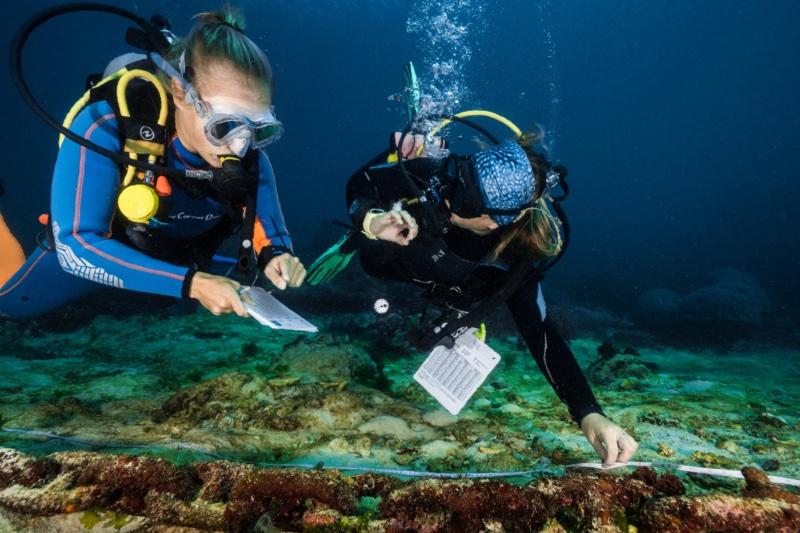
Divers conducting a reef health survey with transect tape and data slates

Ongoing Site Monitoring

Pays for the year-round dive surveys that measure coral survival, growth, and the return of fish and invertebrates to the site. Restoration without monitoring is just planting, and these sites have been monitored since 2011.

Indonesian university students on the conservation scholarship program

Indonesian Student Scholarships

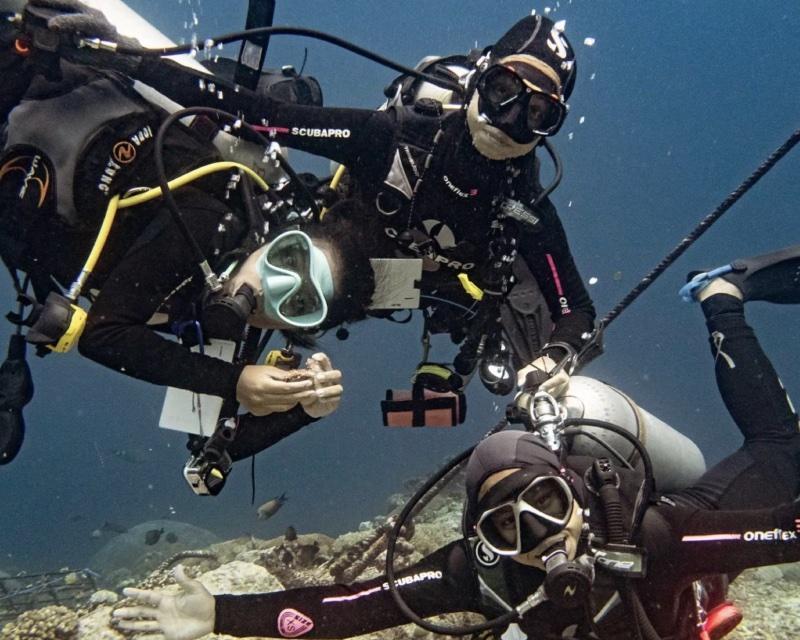
Sponsors local university students to spend two to four months at the restoration site, conducting their own research projects. Students like Chusnul, Faiz, Fairuz, and Reza have already published findings from their internships.

Indonesian women in PADI Divemaster training

Divemaster Training for Indonesian Women

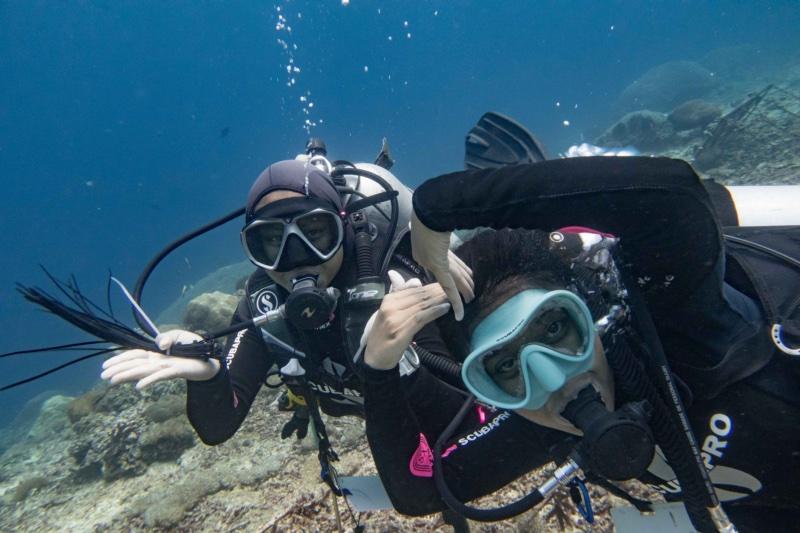
Funds PADI Divemaster certification scholarships for Indonesian women, opening careers in marine science and dive guiding to people from the very communities the reef supports.

Our Restoration Sites

Two Sites.
One Method.

The program runs at two sites along Bali's Nusa Islands: the original pilot at Sental, and the new expansion at Mangrove Reef. One proves the method works. The other is where the method goes next.

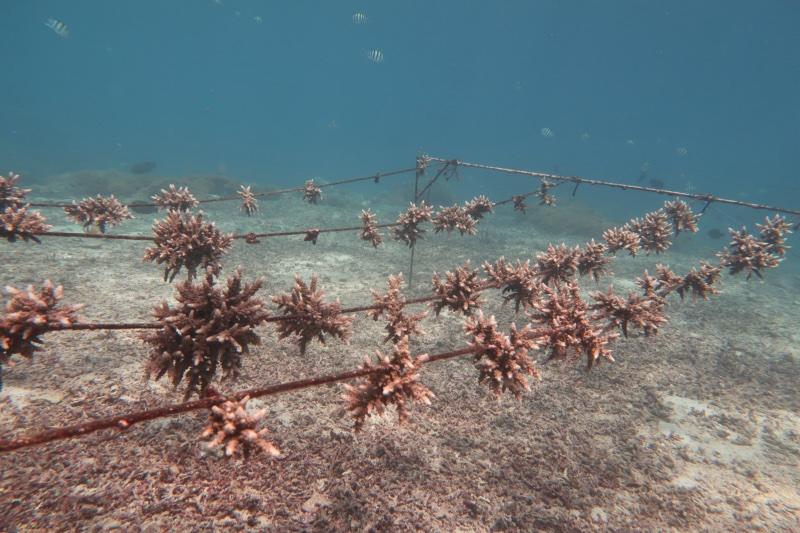
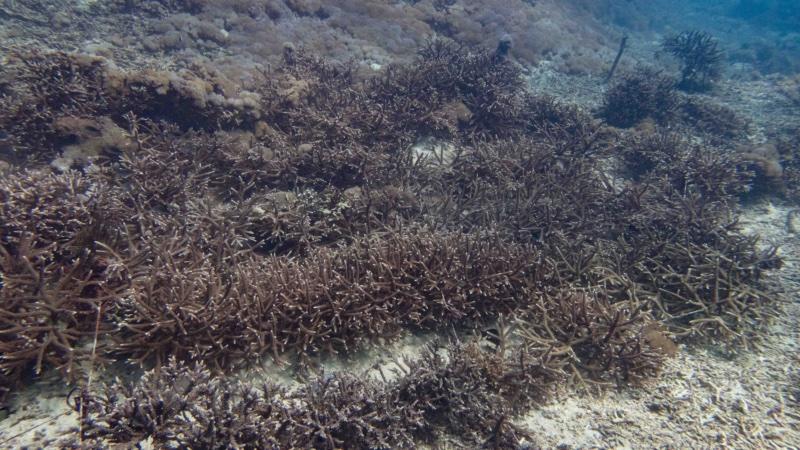
Branching corals grown on ropes between frames at the Sental Reef restoration site
2018 Pilot Begins
150K+ Corals Planted

Sental Reef Pilot

Nusa Penida, Bali

The original restoration site. The team chose a degraded patch at Sental Divesite to test whether modular frames plus nursery-grown transplants could revive a reef that wasn't recovering on its own. It worked, and the site has been continuously tended ever since.

Continuous monitoring since 2011
Active six days a week, year round
The Mangrove Reef restoration project on Nusa Lembongan
2024 Site Surveyed
2025 Restoration Begins

Mangrove Reef Restoration

Nusa Lembongan, Bali

The new expansion site. Adjacent to a mangrove forest, a natural nursery for juvenile fish, making it one of the most ecologically important reefs in the Nusa Islands. Damaged by anchor strikes and pandemic-era fishing pressure, baseline surveys are done and the first transplants begin in 2025.

Adjacent to mangrove forest, a natural fish nursery
Photogrammetry baseline complete, frames going in 2025
Three Legs of the Work

Restore. Expand.
Train.

The work breaks into three reinforcing efforts. Restoration brings dead reef back. Expansion takes the proven approach to new sites. Training builds the next generation of Indonesian conservation leaders.

Restore

Reverse rubble expansion at degraded sites: stabilize the seafloor with modular frames, transplant coral fragments from on-site nurseries, then monitor for years. The same loop, run continuously, is what brings a reef back.

Expand

Once the method holds at one site, the next site goes faster. Each expansion adds baseline surveys, photogrammetry, and permitting. Then frames and transplants follow. Two sites today; the goal is more.

Train

Restoration that lasts has to be local. Scholarship programs put Indonesian university students at the restoration site to run their own research, and PADI Divemaster training scholarships open the field to Indonesian women.

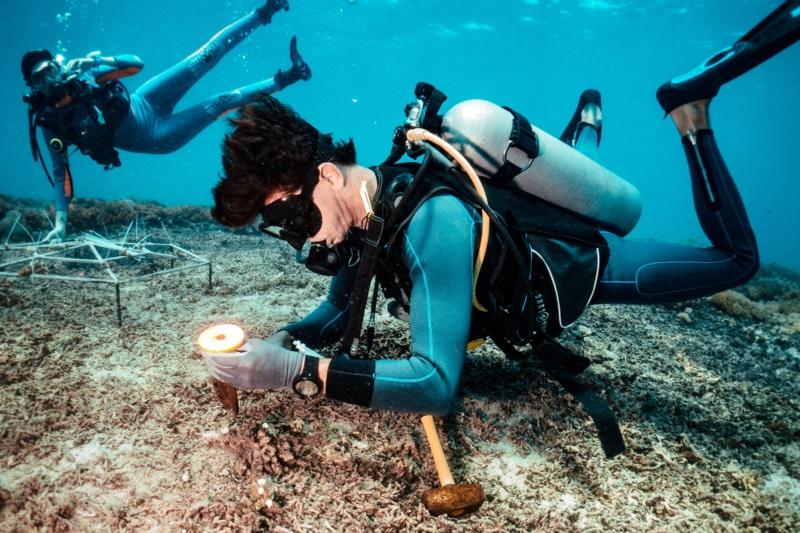
Divers transplanting coral at the Nusa Penida restoration site
Milestone

150,000+ Corals
and Counting

Our partner's team has planted well over 150,000 corals across the Nusa Islands restoration sites. Conservation interns lead reef-health monitoring, restoration, and clean-up dives six days a week, all year long. This is what consistent, science-led restoration looks like, and what your support keeps in the water.
A note from our director of programs

Why I Dove With the Team for a Month

I'm the Director of Programs at Yaryura & Friends. I spent a month diving in Bali with Andrew's team before we committed to fund this long-term. That's what the job actually involves: going to see for yourself.

100% of every donation routes to the work in the water. Overhead is covered separately by Blue Corner Dive, Andrew's for-profit dive operation. That's not a slogan. It's a financial structure I verified for a month.

The work is also dive-able. At Sental you can swim across sections planted eight years ago, six, four, two, and what was put down last week. You don't need a grant report to know if it's working. You can see it.

Connor Yaryura, Director of Programs

Connor Yaryura restoring coral with the Blue Corner Conservation team at Nusa Penida

Ready to Help
Bring the Reef Back?

Your support funds the dive team, the frames, the nurseries, and the scholarships that keep this work going.

100% of donations go directly to coral restoration work in Indonesia.