The Reef We're Restoring
The Nusa Penida Marine Park sits inside the most biodiverse marine area on Earth. Here's what makes it worth saving, and what's putting it at risk.
Five Things Worth Knowing About This Reef
Why Bali's Nusa Penida Marine Park sits at the center of global coral biodiversity, what's putting it under stress, and the marine life that depends on it staying alive.
Inside the Coral Triangle
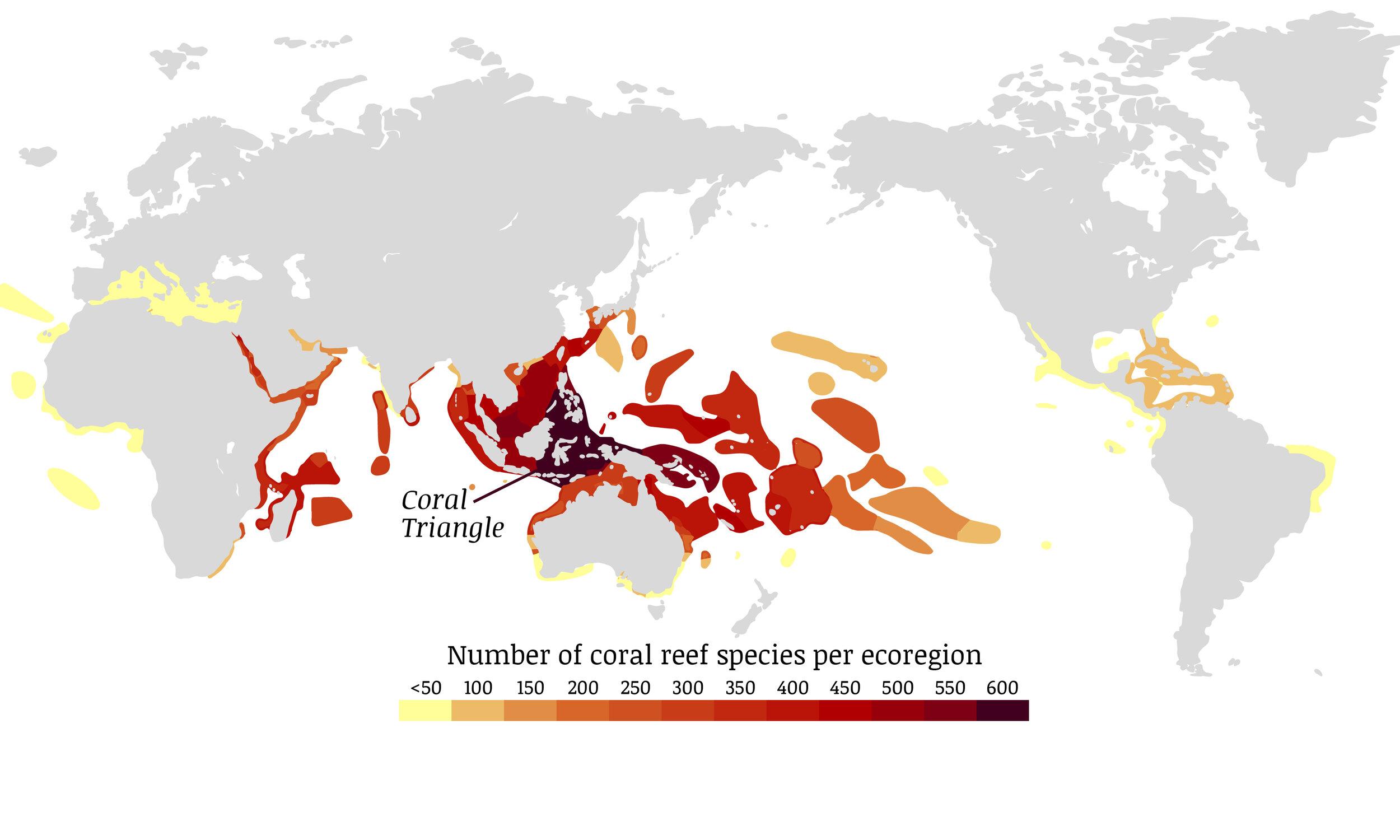
Bali sits inside the Coral Triangle, the area between the Philippines, Malaysia, and Indonesia that holds the highest marine biodiversity on Earth. Of the roughly 700 coral species in the entire Indo-Pacific, 581 of them live here. The region also supports more than 3,000 reef fish species.
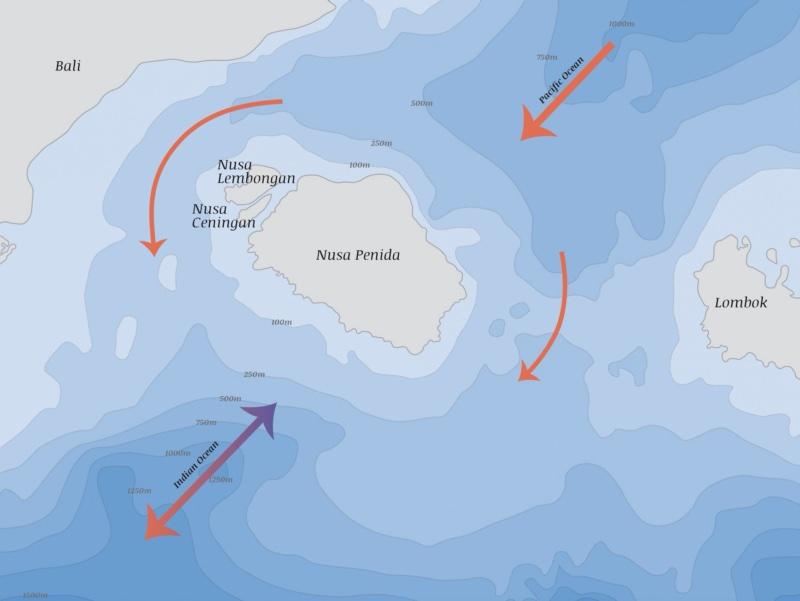
The Indonesian Through-Flow, a deep ocean current pulling warm water from the Pacific into the Indian Ocean, runs straight through the Nusa Islands, depositing larvae from across the region. That's part of why the reefs here are so rich in the first place. It's also why reefs here are worth restoring rather than writing off: the species pool that can re-colonize a recovering site is unmatched.
Corals Are Animals, Not Plants
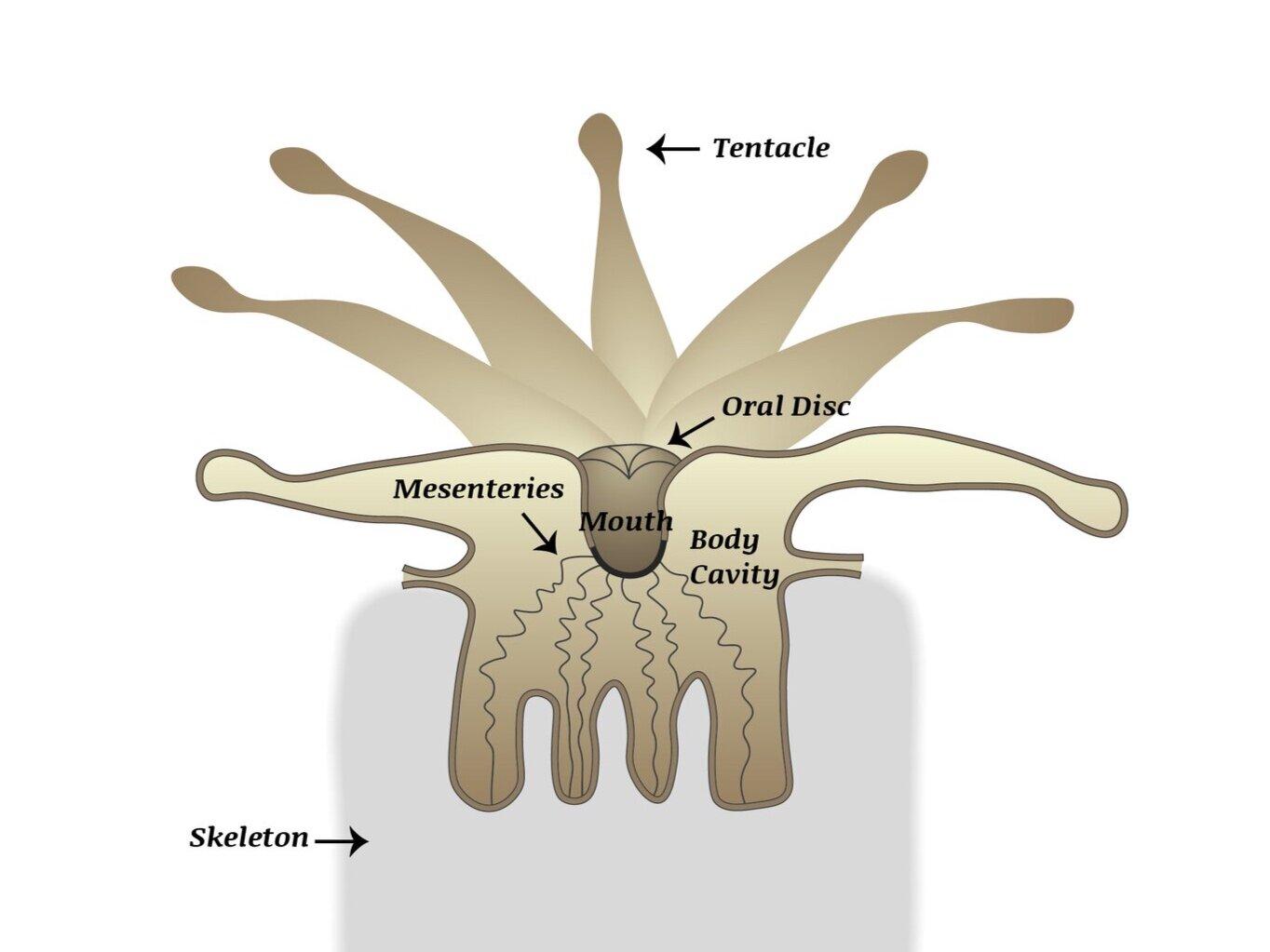
Each coral colony is a community of tiny animals called polyps, relatives of jellyfish and anemones, sitting on top of a calcium carbonate skeleton they've slowly built. The hard, stony corals are the ones that build reefs. Soft corals (like sea fans) live on the reef but don't build it.
Most reef-building corals get their energy from a partnership: tiny algae called zooxanthellae live inside the coral's tissue and photosynthesize, sharing sugars with the coral in exchange for shelter and nutrients. Up to 90% of a coral's food comes from this partner. Those algae are also what give corals their color, and why they go ghost-white when something goes wrong.
Why the Reefs Are Dying
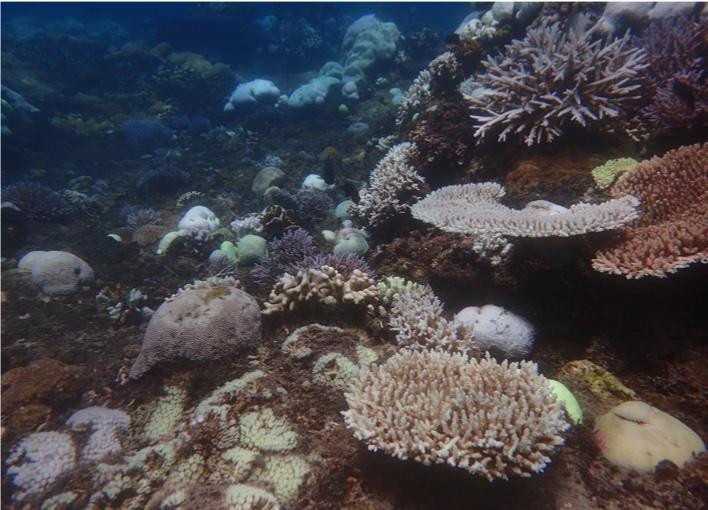
When ocean temperatures climb past what corals can tolerate, the algae partnership breaks down. Corals expel their algae and turn white. This is bleaching. If the heat passes quickly, they can recover. If it doesn't, they starve. The 2016–2017 Indo-Pacific bleaching event killed 20–90% of corals across most of the region.
Heat isn't the only threat. Reefs in the Nusa Islands have been damaged by dragged boat anchors, ship groundings, dredging for tourism platforms, clearing for seaweed farms, and a surge of fishing pressure during the COVID-19 pandemic when local tourism collapsed. The result: large fields of dead coral rubble that don't recover on their own. They spread, eroding nearby healthy reef.
The Life That Depends On It
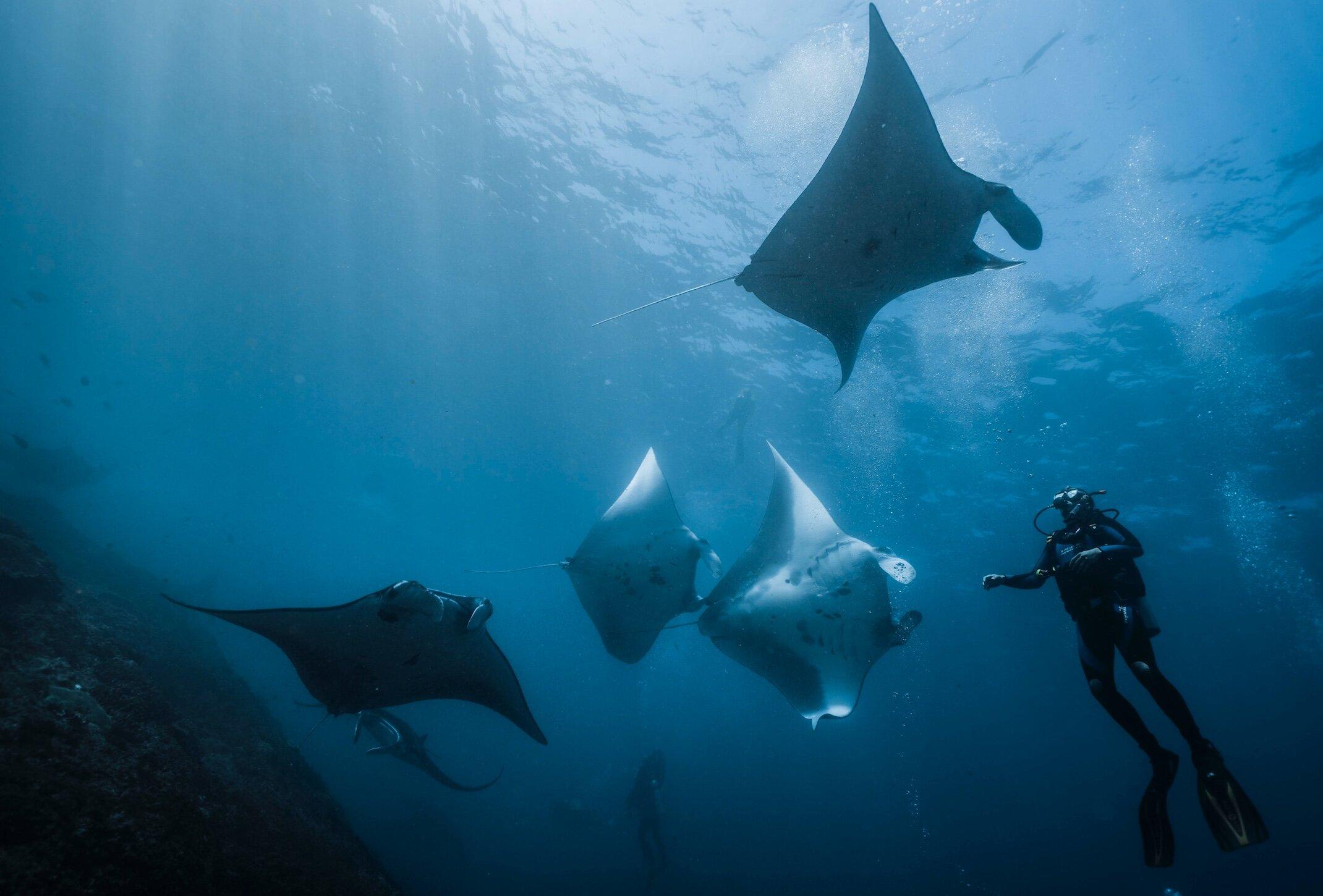
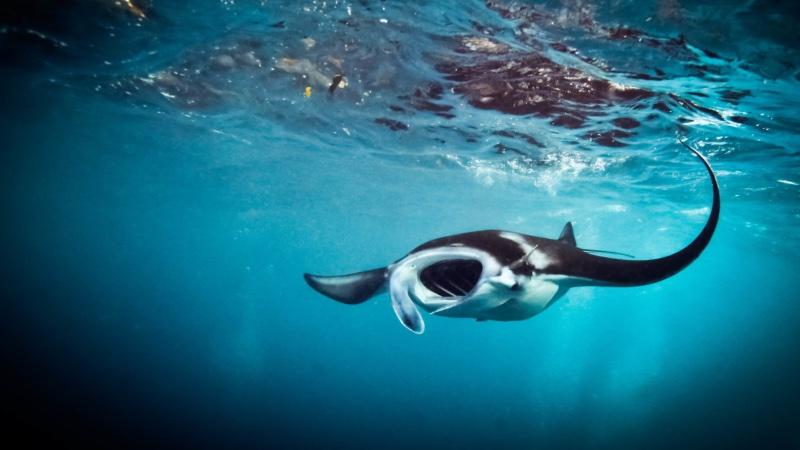
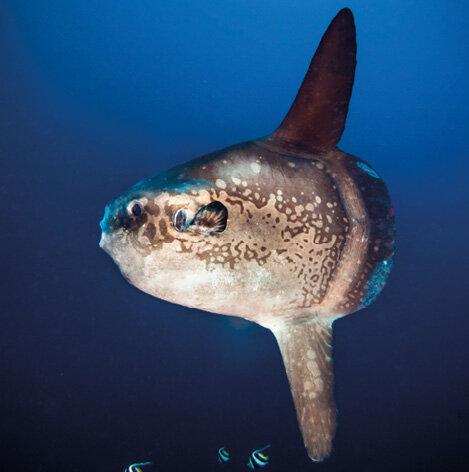
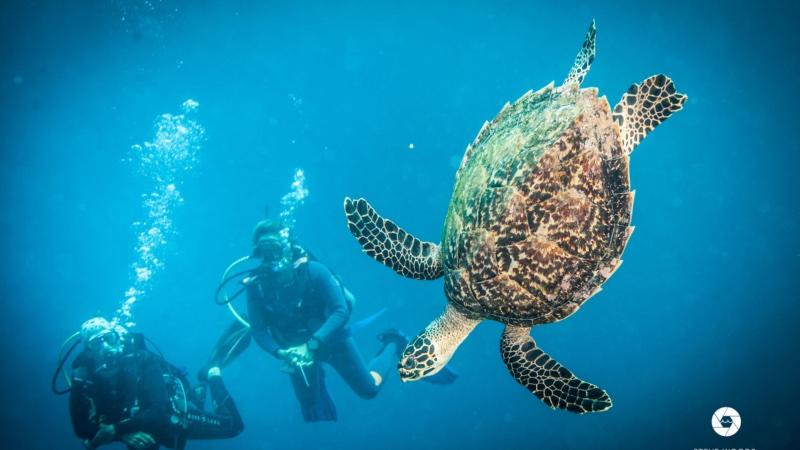
The Nusa Islands are one of the few places in the world where you can reliably encounter manta rays, ocean sunfish, and sea turtles year-round at the same dive sites. They're here because the reef is here. Lose the reef, and the megafauna lose the cleaning stations, feeding grounds, and food chain that keep them around.
Reef Manta Rays
A resident population of about 700 individuals visits the islands' cleaning and feeding sites year-round.
Ocean Sunfish (Mola)
Massive, ancient-looking fish that come up from cold deep water to be cleaned at Nusa Penida's reefs.
Sea Turtles
Hawksbills feed on sponges that would otherwise smother coral. A single turtle eats over a thousand pounds a year.
Why This Site, Specifically
Nusa Penida is a designated Marine Protected Area, a legal foundation that makes long-term restoration possible. The northern coastline holds the impacted rubble fields our program has been working to reverse since 2018. The reef here is fed by the same currents that supply the rest of the Coral Triangle, so a recovering site has a real shot at re-colonization.
The work has a track record. This stretch of coast has been monitored since 2011, under restoration since 2018, with the results published. It's a place where careful science meets a reef that, with help, can come back.
See How
We're Restoring It
The science of coral restoration is more than planting. It's monitoring, stabilization, transplantation, and patience.
100% of donations go directly to coral restoration work in Indonesia.